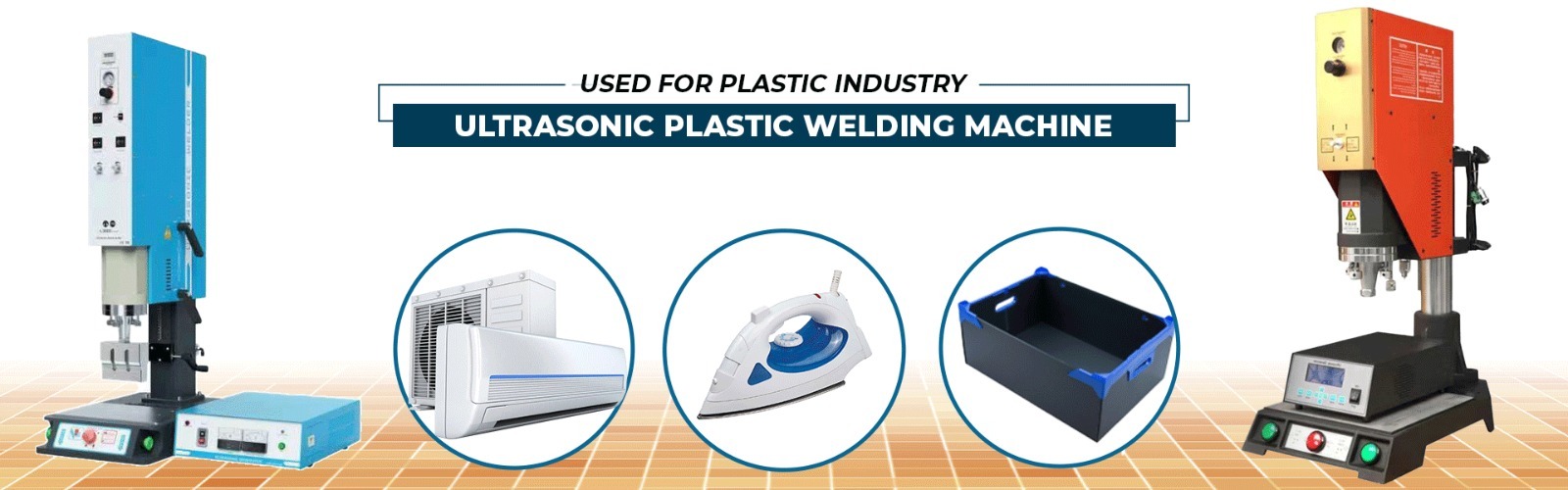
In modern manufacturing, choosing the right joining method directly impacts production efficiency, cost, and product quality. Two commonly used techniques are traditional welding methods and ultrasonic welding. While traditional methods have been used for decades, ultrasonic welding is quickly becoming the preferred choice for industries dealing with plastic components.
Traditional welding methods such as heat welding or adhesive bonding often require additional materials, longer processing times, and post-processing. These methods can also introduce inconsistencies in product quality due to manual handling or environmental factors.
Ultrasonic welding, on the other hand, uses high-frequency vibrations to fuse plastic parts together. The process is extremely fast, often completing in just a few seconds, and does not require adhesives, screws, or external heat sources.
When comparing speed, ultrasonic welding clearly outperforms traditional methods. Manufacturers can significantly increase production output by reducing cycle times. In terms of cost, ultrasonic welding eliminates the need for consumables, reducing long-term expenses.
Quality is another critical factor. Ultrasonic welding creates strong, consistent joints that are often more durable than those produced by traditional methods. This makes it ideal for industries like automotive and medical manufacturing where reliability is essential.
In conclusion, while traditional welding still has its place, ultrasonic welding offers superior speed, efficiency, and quality, making it the better choice for modern manufacturing.
- Impulse Welding Machines
- Plastic Welding Machines
- Spin plastic welding machines
- Tape Cutting Machine
- Ultrasonic Converter Booster
- Ultrasonic Generators
- Ultrasonic Hand Guns
- Ultrasonic Horn
- Ultrasonic Lace Sewing Machine
- Ultrasonic Metal Welding Machine
- Ultrasonic Plastic Welding Machines
- Ultrasonic Pleated Filter Welding Machine
- Ultrasonic PP Corrugated box welding machine
- Ultrasonic Spot Welding Machine
Staff picks
-
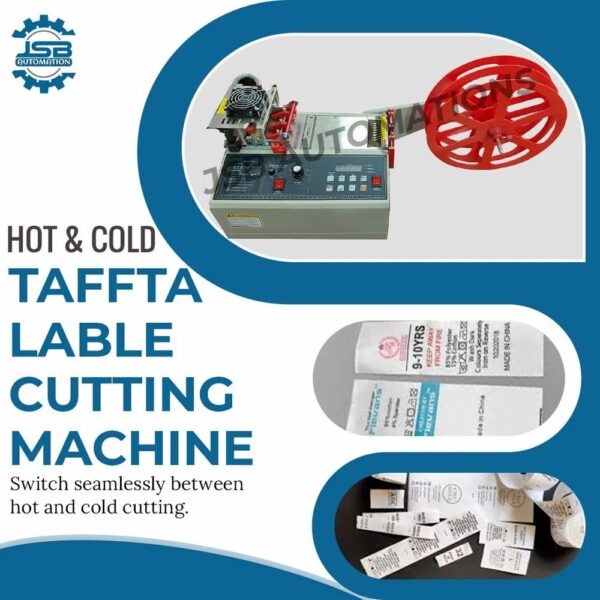
100 PPM Automatic Label Cutting Machine
₹30000.00 -
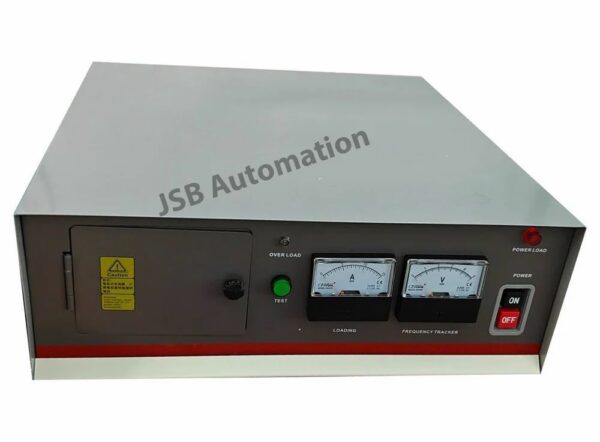
15 KHz Ultrasonic Generator Box
₹35000.00 -
15kHz 2600W Ultrasonic Plastic Welding Machine
Original price was: ₹180000.00.₹150000.00Current price is: ₹150000.00. -
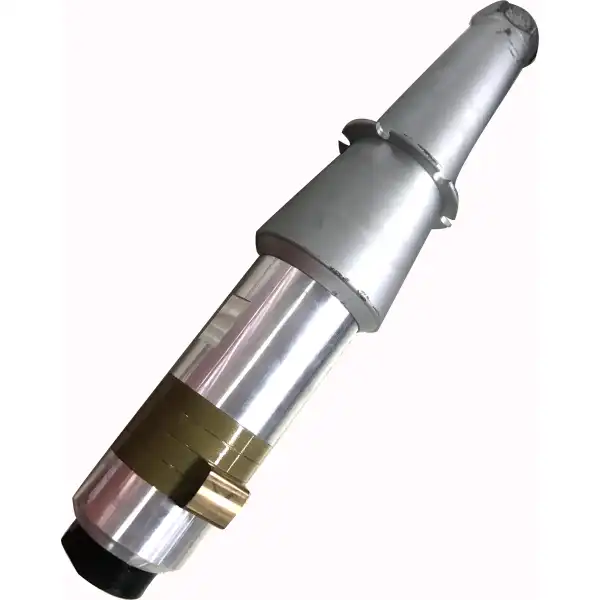
15kHz 2600W Ultrasonic Welding Transducer
₹15000.00

